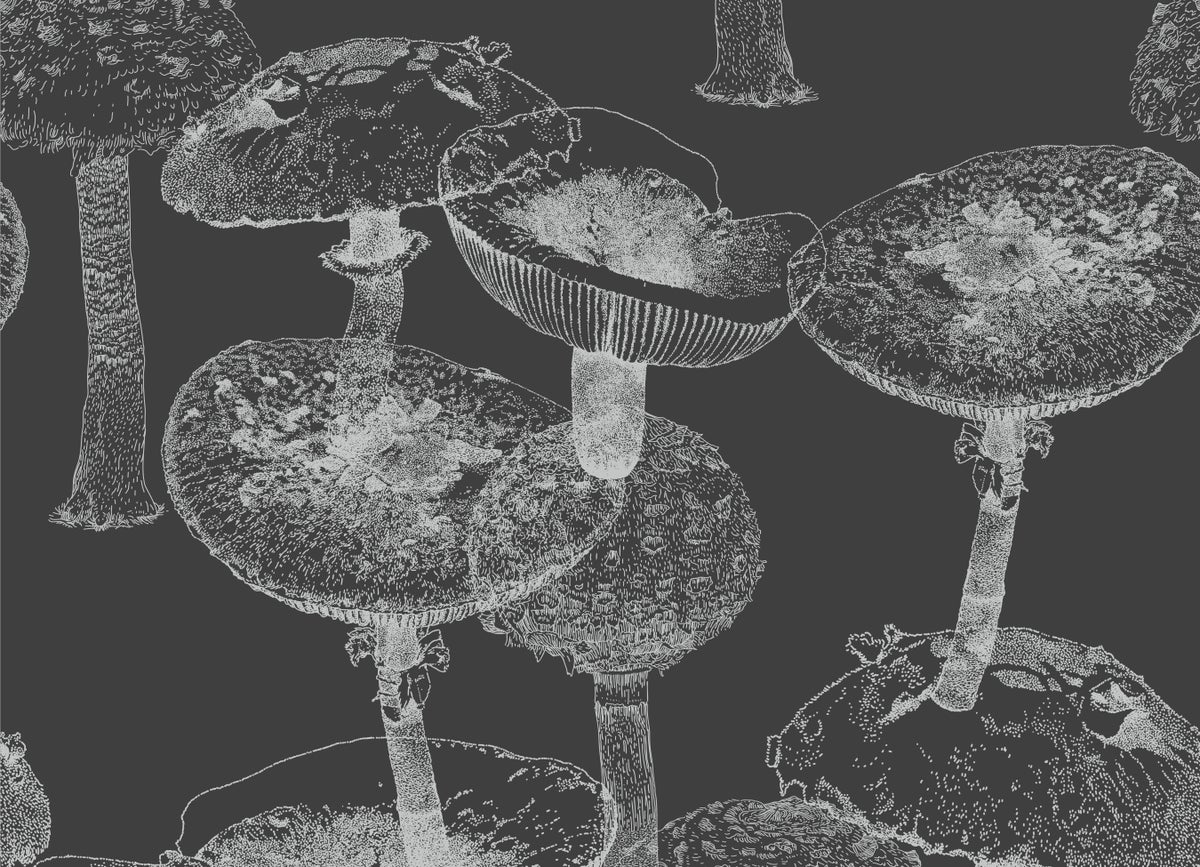
The Unseen Power: Fungi's Vital Role in Ecology and Life
From the vast network of mycelia beneath our feet to the delicate caps of mushrooms emerging after rain, fungi are ubiquitous, yet often overlooked, masters of our planet's ecosystems. These extraordinary organisms, distinct from plants and animals, perform a breathtaking array of functions that are indispensable for life as we know it. From nutrient recyclers and food sources to mind-controlling parasites, the world of fungi is a frontier of scientific discovery, making
good fungus research a critical endeavor for understanding and shaping our future.
The Unsung Heroes: Fungi as Ecological Cornerstones
Imagine a world devoid of fungi. It's a stark, almost unimaginable scenario: landscapes piled high with undecomposed plant and animal matter, essential nutrients locked away, and the very fabric of life struggling to sustain itself. This is the grim reality that highlights fungi's monumental contribution to ecological health. Unlike plants, fungi are not photosynthetic; they are heterotrophs, meaning they derive their energy and nutrients from other organisms, much like animals. However, their method is unique: they secrete powerful enzymes to break down organic material externally before absorbing the resulting molecules.
This decomposition process is fundamental to the global carbon cycle. Fungi tirelessly break down everything from fallen leaves and dead wood to animal carcasses, preventing the accumulation of detritus and, more importantly, recycling vital nutrients back into the soil, making them available for new plant growth. Without this continuous nutrient turnover, ecosystems would grind to a halt.
Beyond decomposition, fungi form crucial symbiotic relationships. Mycorrhizal fungi, for instance, form partnerships with plant roots, extending the plant's reach for water and nutrients, particularly phosphorus, in exchange for sugars produced by the plant. This mutualistic relationship is so vital that an estimated 90% of all land plants depend on it.
The direct benefits of fungi to humanity are equally profound. They are integral to our food supply, from edible mushrooms gracing our plates to yeasts fermenting bread, beer, and wine. Medically, fungi have been game-changers; the discovery of penicillin from the mold *Penicillium chrysogenum* revolutionized medicine, saving countless lives. Ongoing
good fungus research continues to explore their potential as sources for new antibiotics, immunosuppressants, and even anti-cancer drugs.
The Dark Side of Mycology: When Fungi Take Control
While many fungi are beneficial, others exhibit astonishingly complex and often chilling parasitic behaviors. These interactions reveal a fascinating "evolutionary arms race" between host and pathogen, where fungi develop sophisticated mechanisms to exploit and control their hosts for propagation. Research into these interactions, though focused on what might seem like "bad fungi," is also a vital part of
good fungus research, as understanding these processes can lead to breakthroughs in biological control or even medical applications.
One of the most vivid examples of fungal puppetry comes from the relationship between periodical cicadas and the fungus *Massospora cicadina*. UConn researchers, including John Cooley and his team, have shed new light on this century-old mystery, detailing a scenario straight out of a science fiction movie. The fungus infects 2-5% of emerging cicadas, initiating a gruesome transformation.
Infected male cicadas, particularly in the early stages (Stage I infection), exhibit peculiar behavioral changes. They develop a "wing flicking" behavior typically reserved for females, effectively mimicking a female cicada. This deceptive ruse lures healthy, unsuspecting males closer, exposing them to a powdery, white mass of fungal spores that replaces the cicada's abdomen. The diseased males also attempt to copulate with uninfected females, further spreading the spores. Even after their abdomens burst open or fall off entirely, taking their genitalia with them, these "zombie cicadas" continue their relentless quest to mate, acting as living spore dispensers.
This macabre infection renders the cicadas sterile and evolutionarily irrelevant, as their sole purpose becomes the widespread dissemination of fungal spores to future generations. This type of body-snatching behavior isn't unique to cicadas; similar parasitic infections have been observed in beetles, fruit flies, and even mammals, highlighting the pervasive and potent nature of these fungal strategies. For a deeper dive into this incredible phenomenon, you can read more about
Zombie Cicadas: UConn Reveals Mind-Controlling Fungus.
The study of these intricate host-parasite dynamics is crucial for understanding fundamental biological principles. Researchers anticipate that this area of inquiry will intensify, uncovering more details of these evolutionary arms races and offering insights into how parasites manipulate host behavior. Explore more about this fascinating concept in
Evolutionary Arms Race: How Fungi Hijack Hosts for Spread.
Pushing the Boundaries of Good Fungus Research
The scope of
good fungus research is vast and continually expanding, driven by the realization of fungi's profound impact on nearly every aspect of life. It encompasses not only the study of beneficial fungi and their applications but also the rigorous investigation of pathogenic fungi to develop strategies for mitigation and control.
Current and future directions in fungal research are incredibly diverse:
- Agricultural Biocontrol: Harnessing beneficial fungi to protect crops from pests and plant diseases, offering sustainable alternatives to chemical pesticides. For example, specific *Trichoderma* species are used as biofungicides and biostimulants.
- Bioremediation: Investigating fungi's ability to break down pollutants, including plastics, oil spills, and heavy metals, offering innovative solutions for environmental cleanup.
- Drug Discovery: Continuing the search for novel compounds from fungi with potential pharmaceutical applications, including new antibiotics to combat antimicrobial resistance, anti-cancer agents, and immunomodulators.
- Biofuels and Industrial Enzymes: Exploring fungal enzymes for breaking down lignocellulosic biomass into sugars for biofuel production, as well as their use in various industrial processes, from food production to textile manufacturing.
- Ecological Restoration: Utilizing mycorrhizal fungi to aid in the establishment and growth of plants in degraded ecosystems, facilitating reforestation and habitat recovery.
- Understanding Climate Change: Studying how fungi respond to changing environmental conditions and their role in carbon sequestration and nutrient cycling in a warming world.
- Pathogen Control: Researching the mechanisms of fungal infections in plants, animals, and humans to develop more effective treatments and prevention strategies. Understanding the *Massospora cicadina*'s manipulation, for instance, might offer clues for controlling other insect pests.
The practical implications of this research are immense. From developing more resilient agricultural systems to discovering life-saving medicines and finding innovative ways to clean our environment, every discovery in mycology has the potential to yield significant benefits. However, performing this research often presents unique challenges, as highlighted by Cooley's work; predicting the presence of specific fungi in the field requires patience, expertise, and sometimes, a stroke of serendipitous discovery.
Conclusion
Fungi, in their myriad forms, are far more than just decomposers or the occasional delicacy. They are intricate biological architects, ecological linchpins, and sophisticated operators in the grand theater of life. The power they wield, whether through the silent recycling of nutrients, the creation of life-saving medicines, or the eerie manipulation of their hosts, underscores their profound importance. As we continue to delve into the fascinating world of mycology, sustained and innovative
good fungus research remains paramount. It is through these dedicated efforts that we unlock their hidden potential, harnessing their unseen power to address some of the most pressing ecological, agricultural, and medical challenges facing our planet today and in the future.